
Case Study
Unshine Arcade
33 minutes of original score · full FMOD implementation · released on Steam
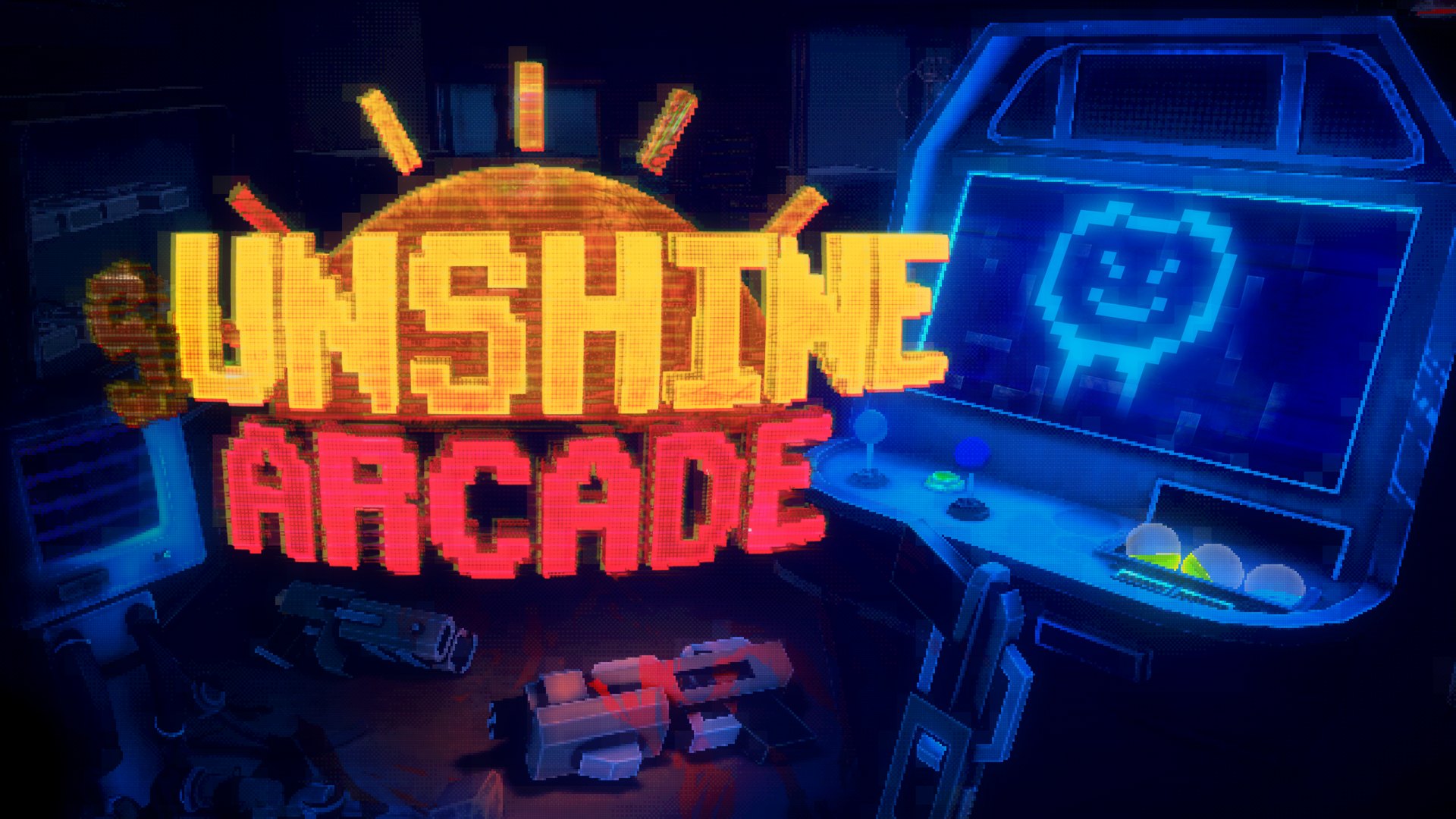
Unshine Arcade is a story-driven horror game built around an arcade shooter. The player moves between a run in the Space Frog cabinet and the world outside it, so the score had to hold two settings: bright, fast arcade music, and the dread waiting when the run ends.
Unshine.exe
A distorted, unstable noise that swells when you move the cursor closer to the executable file. The suspense is created for what is yet to come.
Sunshine Arcade / The Staff Room
This is where you land after every run, so I had to write something that stays interesting. Drafty hollow sustains, high strings scraped thin, metal synths with nothing warm in them. Nothing holds still. It drifts between loud enough to notice and almost gone, so the room never settles into background.
The Staff Room fades in over the top, bringing rhythm and melody into the cue. As you progress further in the hall everything tightens. Under dialogue it does the opposite, it fills the room with a presence.
Space Frog Theme / Showdown
Stealth sections usually get sparse and tense. This one gets drum and bass, Commodore 64 and Game Boy chiptune, and quirky sci-fi synths. The cabinet is the only happy place in Unshine Arcade. When the chase starts it moves into Space Frog Showdown. The music gets more chaotic as you battle your way through.
VP Theme
A Shepard tone over a hemiola-based Risset rhythm: like an optical illusion, pitch and tempo both climb endlessly without arriving. It runs under the climax of the game and pushes the player towards the final confrontation.
Daniel Veld
I write interactive music and build adaptive audio systems for games. Most of the work is deciding what to hold back and when to let go.
During my studies in composition for film and games at ArtEZ Conservatory in the Netherlands, I spent six months interning with a working AAA game composer.
I work in a hybrid orchestral and electronic palette. The score should not sit on top of the game but move with it, amplifying and foreshadowing where things are heading.
Music, sound design and FMOD implementation come in one scope, built and tested in the project, not handed over as a folder of loops for someone else to figure out.
Based in the Netherlands, working remotely. Flexible with call times, including the European evening, which covers most of the North American working day.

Services
I write the music, build the sound design and do the FMOD implementation myself, so nobody on your side has to translate audio into the engine.

Music
Hybrid orchestral and electronic music, built as adaptive material from the start, with layers and transitions that follow what the player is doing.

Sound Design
The line between music and sound design is where most of the tension sits. I design both sides of it, so they work together instead of competing in the mix.

FMOD Implementation
Events, parameters, snapshots and mixing built and tested inside the project, handed over as a session your team can read and extend.
Testimonials
If you ever need music, I highly recommend Daniel!
I was working on a weird, hard to explain video game called Unshine Arcade and gave him the most vague request for a soundtrack and he came back with what I can only describe as the best soundtrack I could have ever imagined for this game.
He really goes above and beyond for everything, adding details and whole new instrumental solos deep into development when I thought the soundtrack was already at it’s peak.
Give him a chance and you won’t regret it.

Mardt
From Steam reviews of Unshine Arcade:
“The music is top-notch and really adds to the atmosphere” · “Amazing soundtrack” · “Big compliments to the sound artist” · “Great soundtrack”
How I work
Audio is usually the last thing a team budgets and the first thing that gets vague. Here is how I keep it from becoming that: you know the scope, the price and the delivery dates before I write a note.
1. Scope
A call about the game, the build, the audio you need and when you need it. I come back with a fixed project fee and a delivery schedule.
2. Direction
Before writing a full score I deliver two or three short cues to settle tone, palette and instrumentation. This is where we decide if we are heading in the right direction, on twenty seconds of music instead of forty minutes.
3. Production
Music and sound design are produced in batches, with a check-in at each batch. Two rounds of revisions per cue are included. Anything that changes because the game changed is a scope conversation, not a free redo.
4. Implementation and handover
I build the events in FMOD, test them against a playable build and hand over a session your team can read. Fixes to my own implementation stay free after handover.
What you get:
Project fee, paid in three parts: 30% to start, 40% halfway, 30% on delivery. For implementation work on its own I bill per day.